
The Olympics is one of the most famous events in the world – and we’re not just talking about sporting events. But with a rich history dating back to 1896, there are plenty of fun facts about the summer games that are not universal knowledge. Here are 10 things you didn’t know about the Olympics.
1. Rich history
The first edition of the modern Olympics took place in Athens in 1896. The choice of host city was not a coincidence. Greece’s capital was selected because the summer games were a revival of a tradition that originated in Athens: the Ancient Olympics.
That’s right, the very first Olympic Games actually date all the way back to 776 BC. They were held every four years, just as they are today, and including some familiar events such as boxing, wrestling and long jump, and some unfamiliar ones like the mule cart race and trumpeting competitions.
2. Gold medals aren’t made of gold
Ever since the 1912 Olympics, gold medals have not actually been made of gold. That might come as a disappointment to some, but the medals are at least coated in around six grams of gold. The bulk of it is made of silver, slightly confusingly.
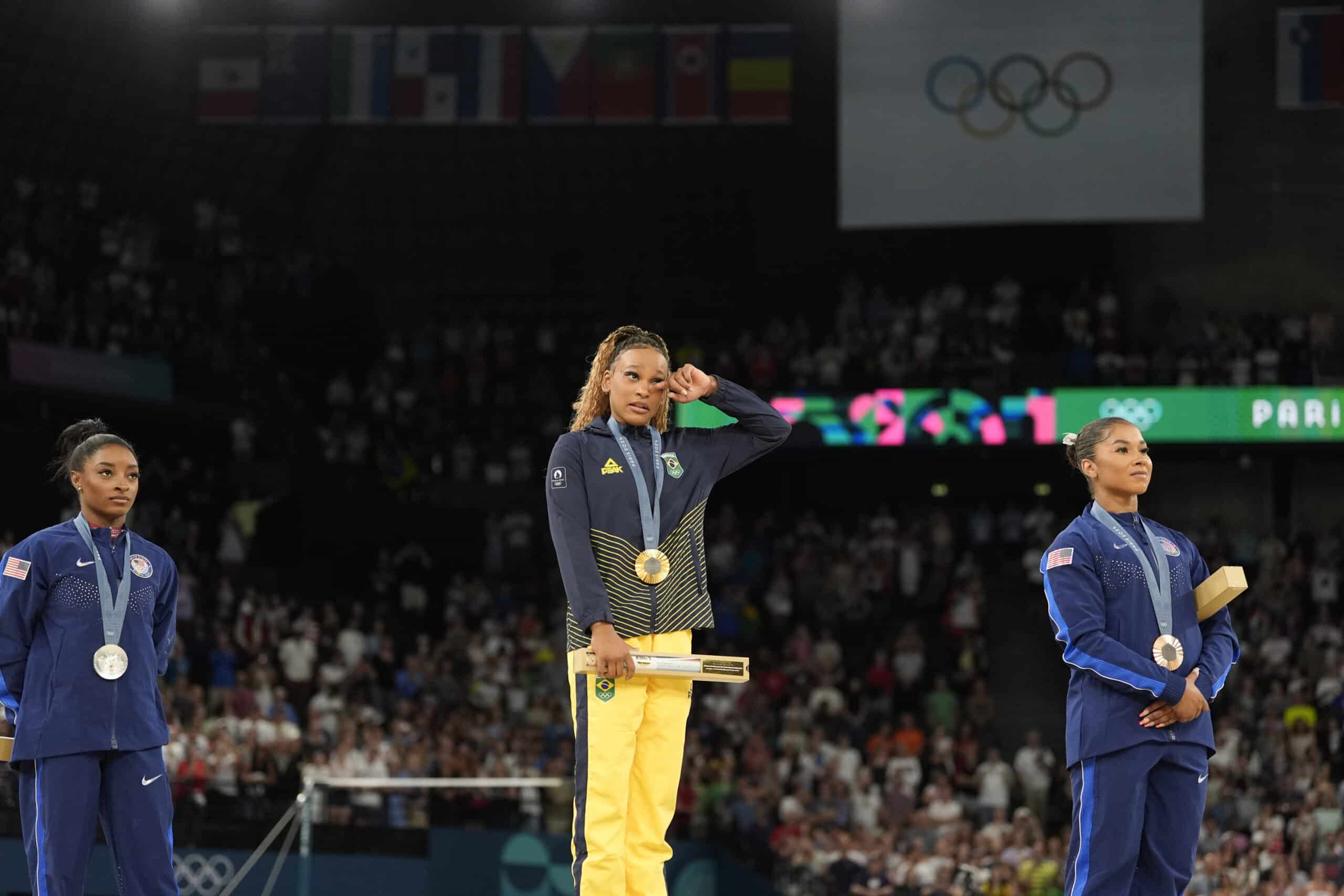
You’ve probably seen several athletes biting their gold medals while on the podium. It’s sometimes claimed that this is done to test the authenticity. It’s usually just a request from photographers who know it makes for a good shot. This year, the medals are a symbol for an environmentally friendly future.
3. Sustainability at the core
The Tokyo 2020 Games have a strong sustainability concept. The organisers took the green route for this year’s events and even declared the Olympics “carbon negative.” As part of the theme, approximately 6.21 million used mobile phones were used to make the medals. And more than 24.5 tons of recycled plastic went into the construction of the podiums.
4. Open to old and young
Most Olympians are in their 20s or 30s, but we’ve still seen some remarkable achievements from younger and older competitors. Oscar Swahn of Sweden is the oldest person to win a medal at the games. Having finished second in the double shot running deer contest at the 1920 Olympics at the grand old age of 72.
The youngest ever recipient of a medal is Marjorie Gestring of the United States. She won gold in the springboard diving event at the 1936 Olympics in Berlin despite being just 13 years of age. Although she was young, Gestring would not compete at another Olympics after the event was cancelled in 1940 and 1944 due to the Second World War.
5. Rings that represent
The symbol of the Olympics is the five interlocking rings, created in 1913 by Pierre de Coubertin, the man who instigated the revival of the games. The fact that the logo remains unchanged in more than 100 years speaks to what a good job the Frenchman did.
You might not have thought about it before, but the six colours – blue, green, yellow, black and red, plus the white background – were chosen for a reason. Every national flag in the world features at least one of those colours, underlining the Olympics’ inclusivity.
6. Five nations have been ever-present
Five nations have competed at every Summer Olympics since the inaugural one in 1896: Australia, France, Greece, Great Britain and Switzerland. Unless something drastic happens, we can’t see their runs being broken any time soon.
The United States has won more medals than any other nation, but they boycotted the 1980 games in Moscow in protest of the Soviet Union’s invasion of Afghanistan the previous year. Austria, Sweden, Italy and Denmark have also competed at 27 of the 28 editions before Tokyo. While Canada, the Netherlands, Hungary and Belgium have missed only two editions of the Summer Olympics.
7. G before A
One of the best parts of the opening ceremony is the Parade of Nations. When the athletes parade around the Olympic Stadium with a flagbearer waving their national flag. The nations come out in alphabetical order based on their name in the language of the host country – so at London 2012, it was Afghanistan, Albania, Algeria etc.
The host country always goes last, so Japan’s contingent will get their moment right at the end of the parade on July 23. And Greece always goes first, owing to the fact that the Olympics originated in Ancient Greece and the first modern games were held in Athens.
8. Shoeless sensation
Only 14 nations competed at the 1896 Olympics, but that number steadily rose through the decades. By 1960 there were athletes from 83 different nations taking part, and one of them would make history by becoming the first black African to win a gold medal.
The ground-breaking athlete was Abebe Bikila of Ethiopia. Remarkably, he finished in first place in the marathon despite running barefoot! Bikila bought new running shoes in Rome, the host city, but they gave him blisters so he decided not to use them. He won another gold medal in Tokyo four years later.
9. 50-year record
It’s only natural that numerous Olympic records at broken at every edition of the tournament. Thanks to advancements in sports science, nutrition, preparation and more, today’s athletes are generally fitter, faster, stronger and better trained than ever before. For example, eight of the top 10 fastest Olympic times in the men’s 100 metres came in 2008, 2012 or 2016.
Some Olympic records have held for longer, though. Remarkably, long jumper Bob Beamon’s 8.9 metre jump in 1968 is STILL number one in the all-time Olympic ranking more than 50 years on.
10. Is the US really best?
The United States is by far and away the most successful country in the history of the summer Olympics, having won the most golds, the most silvers, the most bronzes and the most medals. But if you look at the statistics in two other ways, the United States does not come out on top.
First, the Soviet Union remain the most successful when you link medals to appearances. With 1122 medals in 10 different editions of the games, they have a better average (112.2 per Olympics) than the United States with 2523 at 27 editions (93.4 per Olympics).
Secondly, if we look at medals per capita it is actually Finland that occupies top spot, with Hungary, Sweden, The Bahamas and Denmark completing the top five.